

March 6, 2025
Afro-Scope Project Presents:
WOMEN LIBERATION AND GENDER EQUITY MOVEMENT IN AFRICA AND MATTERS ARISING
THEME:
Some Factors That Encourage Male Chauvinism And Discourage Women Liberation Movement And Gender Equality In Africa.
(1) TRADITIONAL FACTORS:
(A) BRIDE PRIZE IN MARRIAGE: Bride Prize In Patrilineal Society Makes men to have the attitude that they own their wives like property or slaves.
COMPARE with Matrilineal Societies in a few African countries such as Ghana, and outside Africa, such as Asia, where women pay cowries for men
CORRECTIONAL OPTIONS: Abolition Versus 21st Century Modification. There are positive aspects of the bride price tradition. Hence, strict enforcement of laws against ABUSE of wives by men is a good rather then total abolition of the tradition.
(2) ATTITUDINAL FACTORS:
(A) Some Women have Slavish Mentality that make them kowtow to the whims and caprices of men Due To Ancient Traditions. This calls For The Need For Public Enlightenment Campaign To Encourage Freedom From Slavish Mentality.
(B) FAIRNESS IN RESPONSIBILITIES:
EXAMPLE: Financial responsibilities in marital families. Some women want to be given equality in their families and in society, but they insist that the men must take all financial responsibilities. It’s like eating their cake and still having it.
(C) SOME WOMEN ARE ANTI-LIBERATION:
Women are often their own worst enemies in Women Liberation. EXAMPLE: Women are the highest voters during elections in Nigeria and other African countries, yet men always win elections. This, of course, doesn’t make any sense because it means that women hardly vote for their fellow women in elections.
(D) SOME WOMEN CHALLENGE WOMEN LIBERATION MOVEMENT:
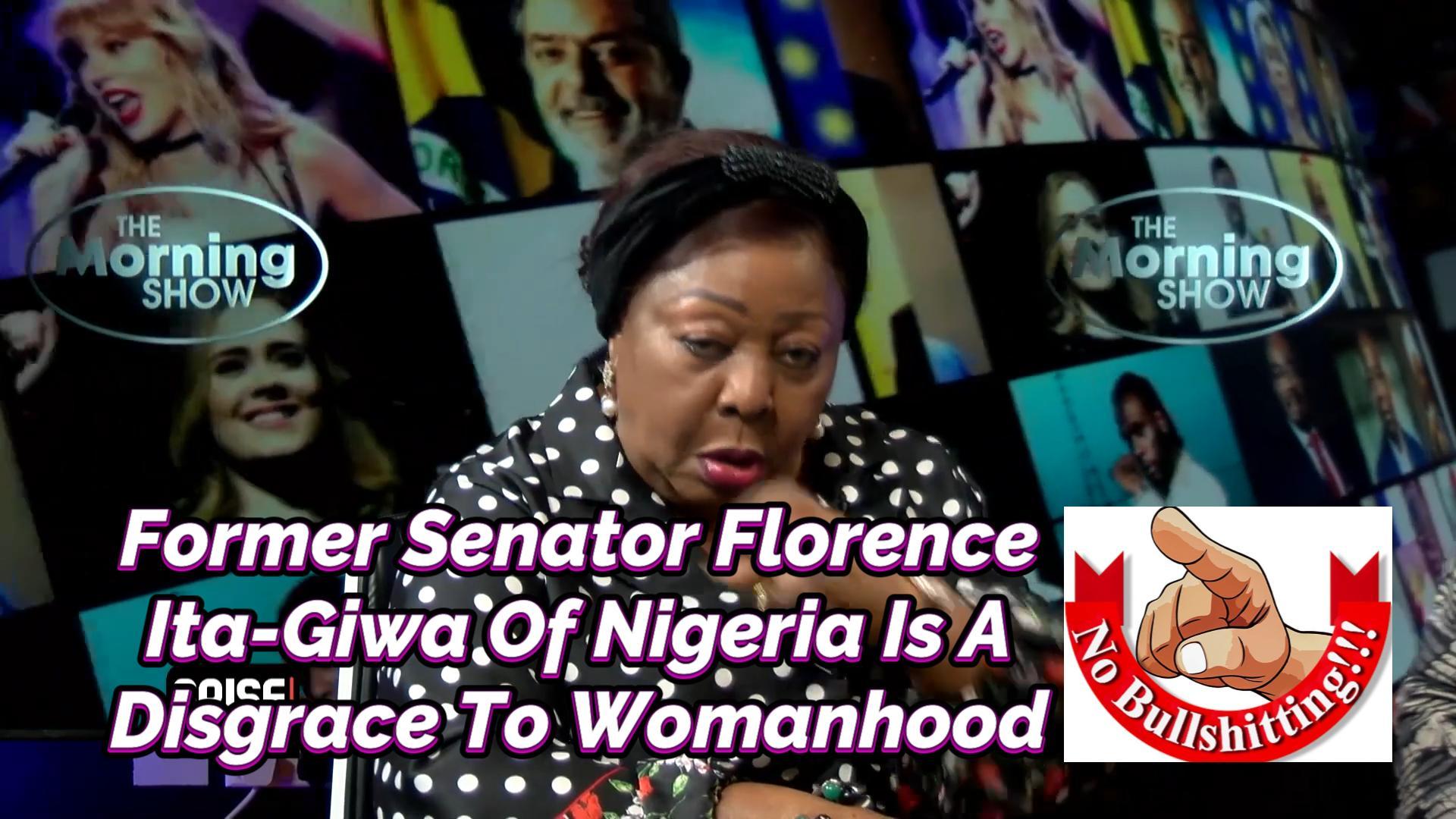
EXAMPLE: A Nigerian former senator (Florence Ita-Giwa) once declared on Arise News TV interview, I quote: “I don’t support Affirmative Action.” She said this to condemn Senator Natasha Akpoti-Uduaghan for accusing Senate President Godswill Akpabio of sexual harassment. Definition of “Affirmative Action”: Set of procedures to eliminate unlawful discrimination in society; To remedy the results of such past discrimination; And prevent such discrimination in the future. In other words, Ita-Giwa does not want women to have equality with men. Yet, she was selfish enough to become a senator. So I ask: Why did she become a senator. Why didn’t she leave it for men alone, as it had been in Africa in the past before female agitation started. Now she doesn’t want her fellow women to aspire to the same position or to complain when men sexually harass them. This video is only a teaser for our extensive discourse on the general topic of Women Liberation Movement and Gender Equality In The 21st century Africa.
посмотреть в этом разделе
накрутка зрителей в kick